The Thermal Link System
Traditional refrigeration discards 70% of condenser heat as waste. The Thermal Link captures it, circulates it through a closed water loop, and redistributes it as useful energy throughout the store — cutting the refrigeration energy bill in half.
Energy Flow — Water Loop Circuit
Circuit
One Platform. Total Control.
The Waterloo System integrates five technology pillars into a single managed platform — delivered and supported by RIMASEE as a complete turnkey solution.
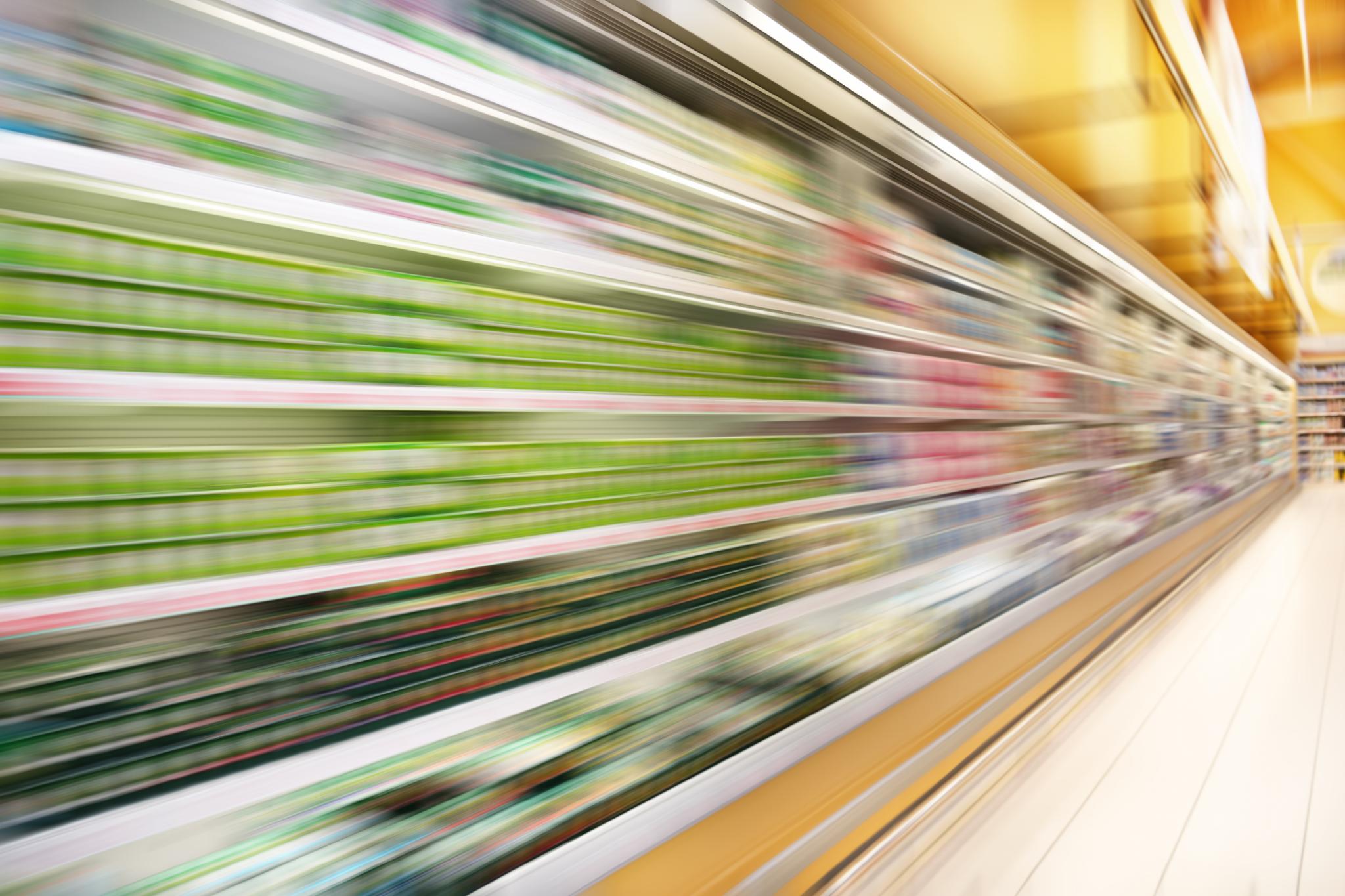
Thermal Link Refrigeration
RimaCold display cases connected into a closed water-loop circuit. Every BTU of condenser heat is captured and routed back into the store's energy network instead of being vented outside. The result is a refrigeration system that pays for part of its own operating cost.
↓ Up to 35% refrigeration energy cost
Solar Energy Integration
Rooftop solar panels sized to the store's peak demand — feeding directly into the thermal link system and HVAC to eliminate daytime grid dependency.
↓ Up to 35% total store energy savings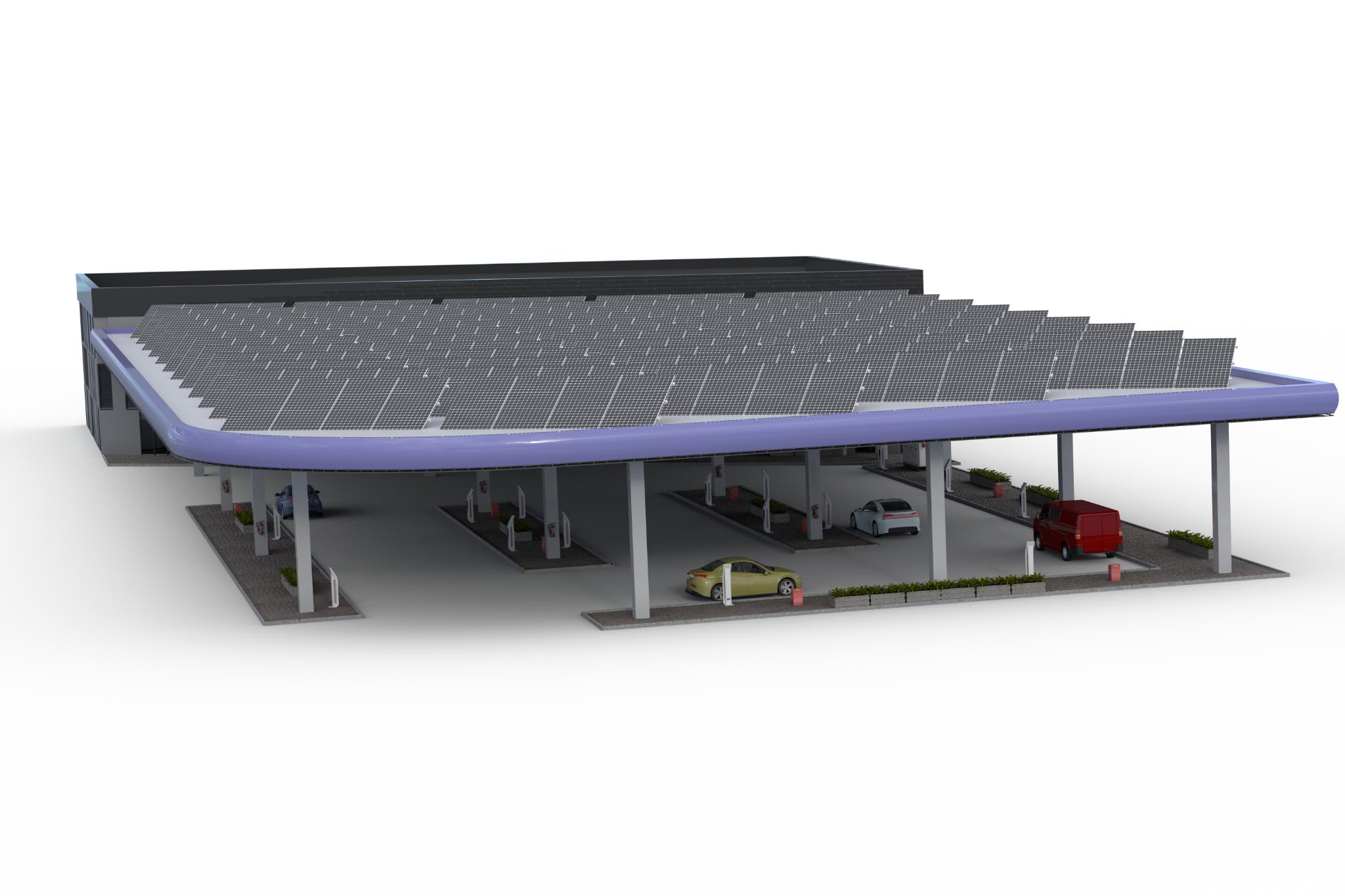
EV Charging Infrastructure
Solar-covered parking with integrated EV chargers — turning the car park into a revenue-generating sustainability asset that extends customer dwell time.
+ New revenue stream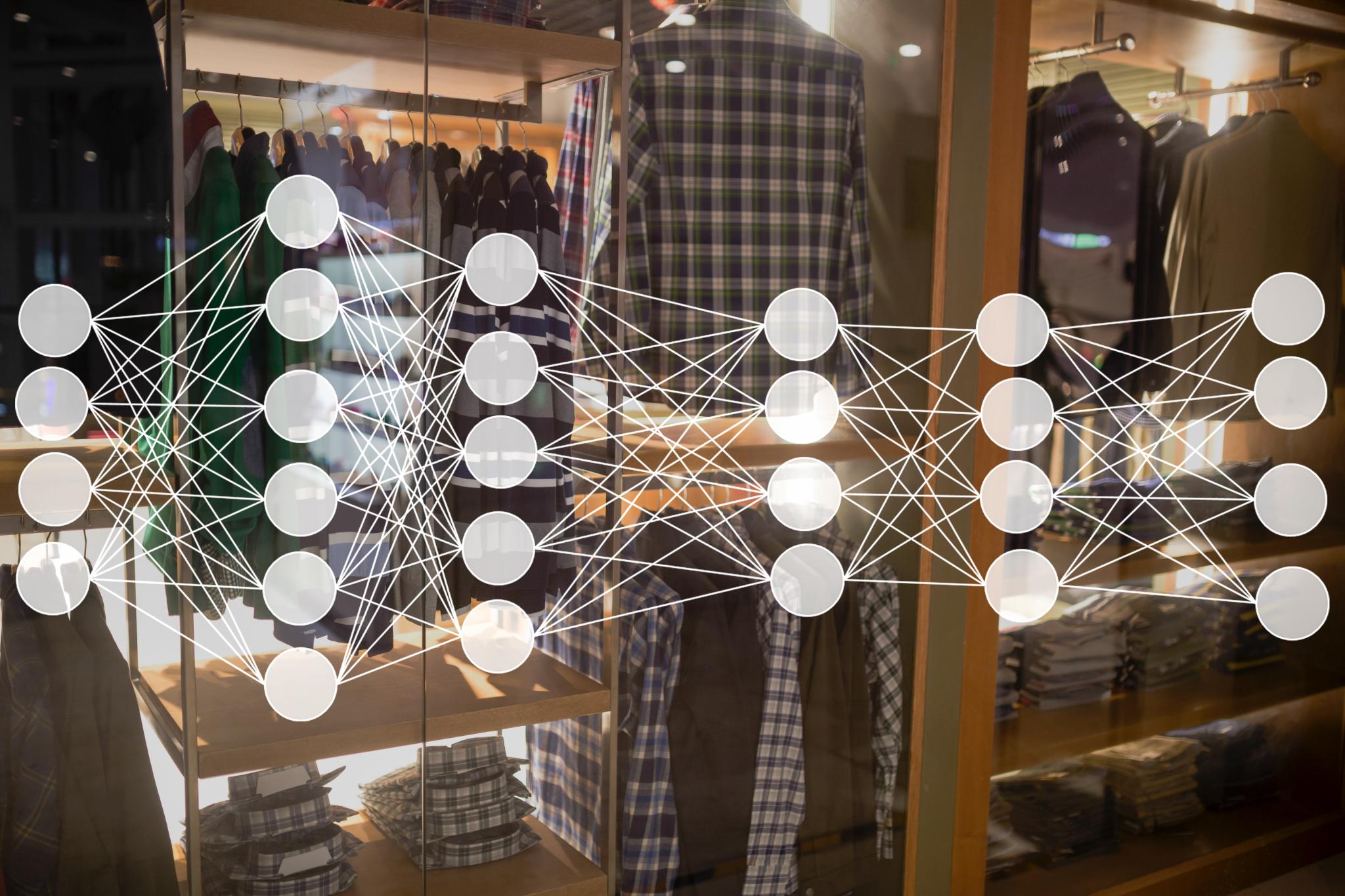
AI Operations Platform
AI tracks foot traffic, inventory levels, and energy consumption in real time — automatically optimizing refrigeration setpoints, restocking schedules, and checkout flow.
+ 10% annual revenue growth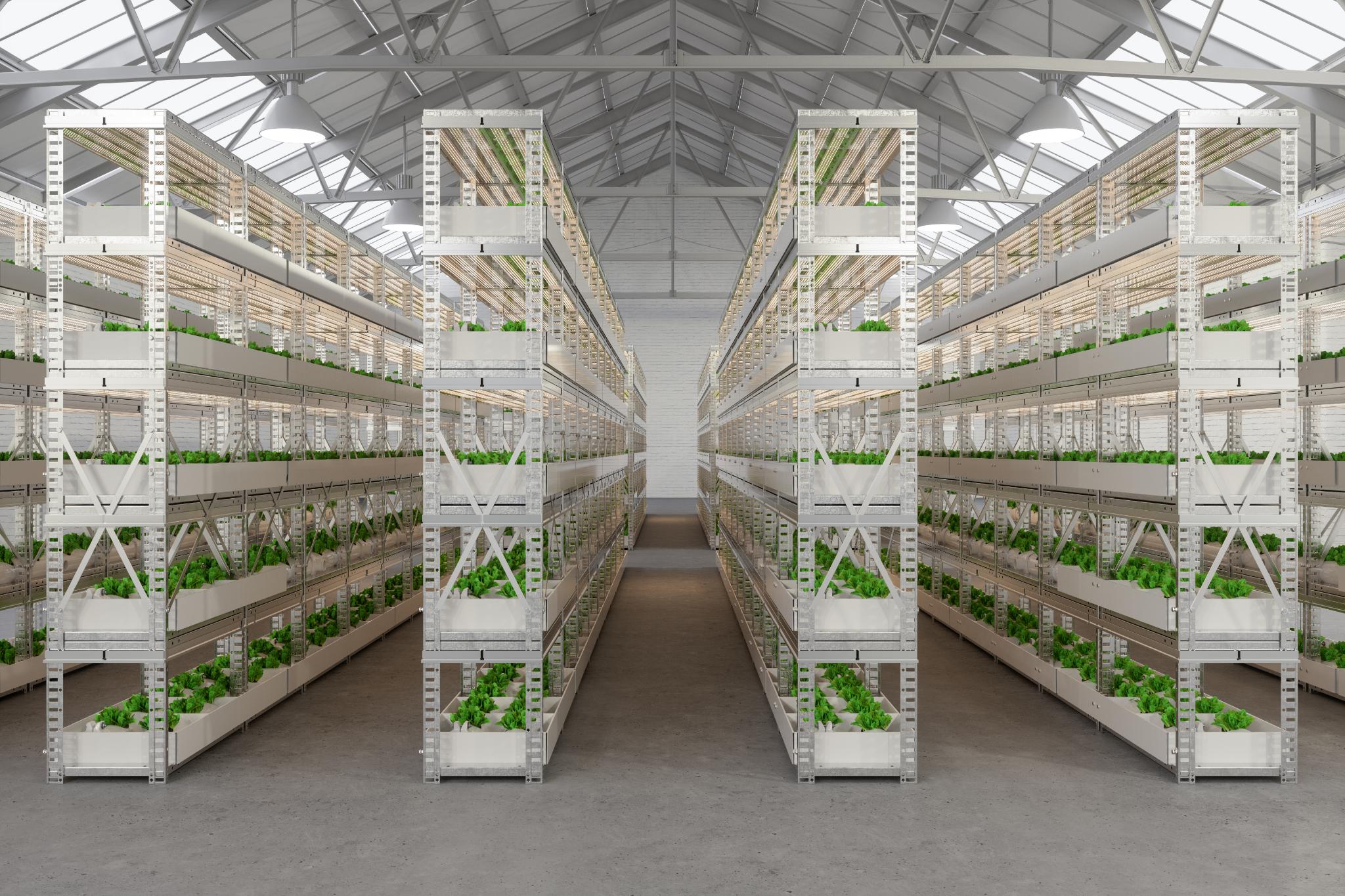
Local & Vertical Sourcing
Integration with local vertical farms and regional suppliers ensures fresh produce access even in food deserts — reducing cold chain miles and boosting community health outcomes.
Fresh food for underserved communitiesBuilt for the Communities That Need It Most
23 million Americans live in food deserts — urban and rural areas where access to fresh, affordable groceries is scarce or non-existent. The Waterloo model is specifically designed for these markets, combining sustainable infrastructure with a retail format that makes fresh food economically viable in underserved areas.
Government programs actively incentivize food desert development — meaning the Waterloo pilot qualifies for funding, tax credits, and grant programs that reduce project cost and accelerate ROI.

Seed the Future of
Sustainable Food Retail
RIMASEE is seeking $2 million in seed funding to launch the Waterloo pilot store in Newark, NJ — validating the business model and technology stack before regional expansion.
Funds will be deployed across store build-out, Thermal Link system installation, AI platform integration, and R&D for next-generation thermal loop configurations.
ESG Alignment: The Waterloo model scores against all four ESG pillars — environmental sustainability via solar and natural refrigerants, social impact through fresh food access, sustainable transportation via EV infrastructure, and governance through architectural alignment with ESG standards.
Traditional Rack vs. Waterloo System
| Feature | Traditional Rack | Waterloo System |
|---|---|---|
| Refrigerant | HFC blends (high GWP) | R290 Natural — zero GWP |
| Heat Recovery | ❌ Condenser heat vented outside | ✓ 100% captured & reused |
| Energy Savings | Baseline | Up to 35% reduction |
| Solar Integration | ❌ Not integrated | ✓ Fully integrated |
| AI Monitoring | ❌ Manual or basic BMS | ✓ Real-time AI optimization |
| EV Infrastructure | ❌ Not included | ✓ Solar-powered EV canopy |
| ETL Certified | Varies | ✓ 100% ETL listed |
Ready to Build the
Store of Tomorrow?
Whether you're a retailer exploring sustainable store formats, an investor interested in the pilot, or a developer seeking a one-stop food retail infrastructure partner — let's talk.